
Volunteer Story: 山本大記さん(ジェンダーに基づく暴力・ミャンマー)
UNFPAミャンマー事務所でGender/GBV Programme Officerとして活躍中の山本大記さんに、活動のお話を伺いました。
*English follows.
UNFPAミャンマー事務所でGender/GBV Programme Officerとして活躍中の山本大記さんはミャンマーにおいて武力衝突や長期化する避難生活、経済崩壊、度重なる自然災害によって深刻化するジェンダーに基づく暴力(GBV)への対応に取り組んでいます。特に女の子や女性への影響は深刻で、暴力のリスク増大に加え、支援サービスへのアクセス不足や心理的苦痛に直面しています。
山本さんのチームはGBVの予防と対応を強化するため、女性主導の地域団体と連携し、安全なスペースの拡充、人道支援におけるGBVリスク対応強化、サバイバーに寄り添った支援体制の構築を進めています。また、人道支援全体にGBVリスク軽減の視点を統合し、影響を受けた人々の尊厳と安全を守ることを重視しています。
山本さん自身はフランス大使館支援事業の下で、GBV対応活動の企画・調整・実施、パートナー団体の能力強化などを担当し、特に「影響を受けた人々への説明責任(AAP)」の強化に注力しています。これまでに多くの女の子や女性たちが安心して支援を求められるようになり、実際にリスクを避けた支援を受けられるようになりました。
山本さんは、「国連ボランティアとして実施している、この複雑な人道危機地域におけるGBVの予防と対応は、改めて大きな経験となりました。今後もGBV予防、説明責任、保護に関わる人道分野で働いていきます」と語っています。
Taiki Yamamoto is serving in Myanmar, where protracted armed conflict, mass displacement, economic collapse, and recurrent natural disasters have significantly heightened the risks of gender-based violence (GBV). Women and girls are particularly affected, facing increased exposure to violence, limited access to survivor-centred services, disrupted sexual and reproductive health care, and severe psychosocial distress.
Taiki’s team works to address these challenges through a comprehensive approach to GBV prevention and response. This includes strengthening women-led organisations, expanding safe spaces and mobile services, and integrating GBV risk mitigation across humanitarian programming. A strong emphasis is placed on accountability, protection, and dignity to ensure that assistance reaches those most in need, even in highly insecure and hard-to-reach areas.
In his role, Taiki supports the design, coordination, and implementation of GBV prevention and response activities under a programme funded by the French Embassy. With a particular focus on Accountability to Affected Populations (AAP), he works closely with implementing partners and women-led organisations to strengthen survivor-centred approaches, establish safe and ethical data management practices.
Through these efforts, Taiki and his colleagues have helped improve access to safe, inclusive, and survivor-centred GBV services for women and girls in conflict-affected communities. Community feedback mechanisms have enhanced trust and participation, while capacity-building initiatives have enabled local partners to deliver services more effectively. As a result, affected women and girls report greater awareness of available support, increased confidence to seek help, and reduced exposure to protection risks.
Reflecting on his experience, Taiki highlights the importance of listening to affected communities and working alongside local partners to ensure humanitarian responses remain accountable, responsive, and grounded in the realities on the ground.
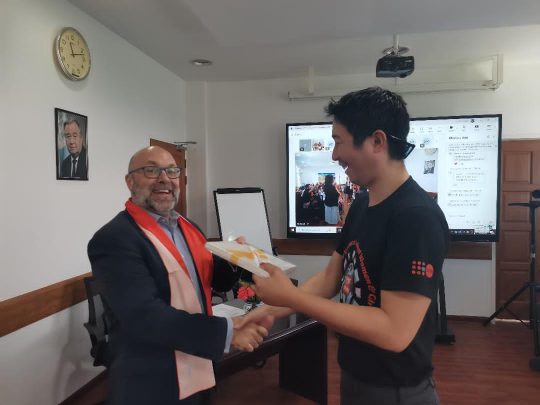
GBV関連イベントにおいてUNFPAミャンマー事務所代表と/ With the Representative of the UNFPA Myanmar Country Office at a GBV-related event French Embassy
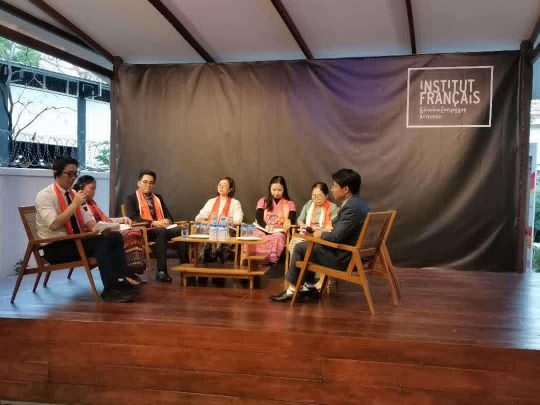
フランス大使館にてパートナー団体とのパネルディスカッションの様子/ A panel discussion with partner organizations hosted at the French Embassy
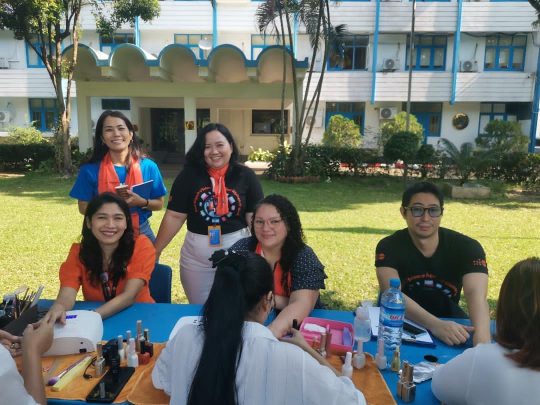
UNFPAの同僚との様子/ With colleagues from UNFPA