
Volunteer Story:田中慧さん(生計向上・経済包摂・ウガンダ)
*English follows.
国連難民高等弁務官事務所(UNHCR)ウガンダ事務所で生計向上経済包摂担当官補として活躍中の田中慧さんは難民と、難民を受け入れる地域コミュニティ双方のための生計向上事業に携わっています。
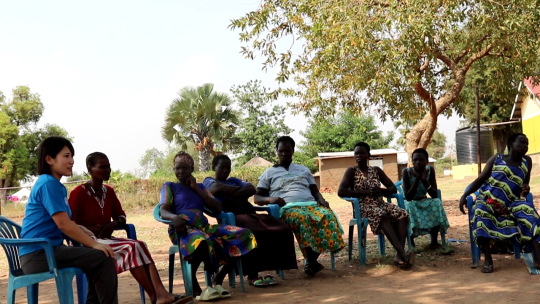
JICAプロジェクトがサポートする米農家グループとのミーティング。/ Having a meeting with the rice farmers in the settlement.
田中さんはUNHCRウガンダのフィールドオフィスへ配属される際、生計向上事業への確定予算がないことを知らされました。それでも任務の内容として難民と受け入れコミュニティの生計機会向上が要請されていたため、独立行政法人国際協力機構(JICA)や民間セクターなど外部のステークホルダーに積極的に協力を呼びかけ、連携可能性を模索しました。現在はJICAによる稲作プロジェクトや、民間企業主導の綿花バリューチェーン・イニシアチブを難民居住区に導入することが可能となっています。このような事業を通じて、田中さんは難民と受け入れ地域双方が収入を得る機会と持続可能なビジネスを得ていく支援を実施しています。また、NGO、民間企業、地方自治体を含む17のパートナー組織と連携し、生計向上事業がより多くの人に届き、同予算内でもより効果を発揮できるよう調整も行っています。
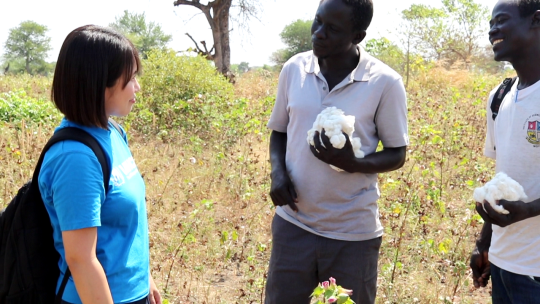
民間企業が支援する綿花農家の収穫作業モニタリング。/ Monitoring the cotton harvest of farmers supported by a private company.
田中さんは「今回の国連ボランティア任務を通じて、脆弱なコミュニティの持続可能な生計向上を支援していきたいという想いがはっきりしました。」と語ります。これまで国連ボランティアの任務を通じて、難民をウガンダ国内の正規の農業バリューチェーンに組み込み、彼らが収入を得る機会を作ってきました。同時に、難民居住区が経済的に孤立している限り、持続可能な生計と自立を得るには技能訓練だけでは不十分であるとも指摘します。「難民・避難民は単なる人道上の課題ではなく、十分に活用されていない経済的潜在力でもあるという気づきも得ました。」
国連ボランティアの任期終了後は、女性、若者、難民、その他脆弱なコミュニティを持続可能なバリューチェーンに組み込み、経済的包摂を進めていきたいと語っています。
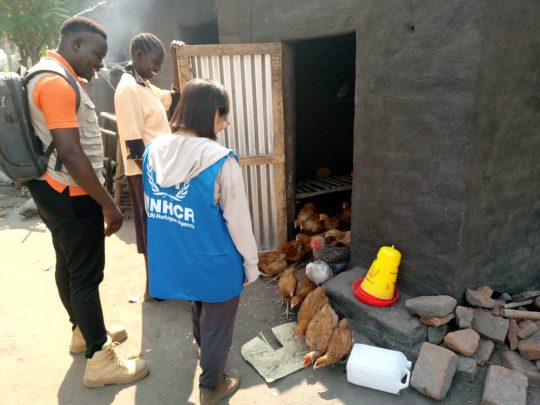
NGOが支援する養鶏農家訪問。/Visiting a household supported by an NGO for chicken rearing.
田中さんはJICAの「JOCV枠UNV制度」を通じてUNHCRウガンダ事務所に2024年12月から派遣されています。同事業はJICA海外協力隊経験者を対象に、田中さんのように国連・国際機関において平和構築や開発課題を解決する意志を有する日本人を国連ボランティアとして1~2年間国連機関に派遣しています。本制度を利用するには、まずJICA事務局に申請し、推薦を得ることが必要です。応募時期・応募要項・応募の仕方など詳細はJOCV枠 UNV制度を参照ください。
Kei Tanaka serves as an Associate Livelihood and Economic Inclusion Officer with UNHCR in Uganda, supporting livelihood initiatives for both refugees and the host communities. When she was assigned to the UNHCR field office, she learned that there was no confirmed budget for livelihood activities. Despite this, her role required expanding economic opportunities for refugees and local residents. Kei proactively reached out to external stakeholders, including the Japan International Cooperation Agency (JICA) and private sector partners, to explore potential collaboration. As a result of these efforts, a JICA-supported rice farming project and a cotton value chain initiative led by a private company are now being introduced in the refugee settlement.
Through these initiatives, Kei helps create income opportunities and support sustainable businesses for displaced and host community members. She works closely with 17 partner organisations—NGOs, local authorities and private companies—to ensure that livelihood activities reach more people and are delivered effectively, even with limited resources. She also collaborates with government institutions and community stakeholders to ensure alignment with district and national development priorities.
Reflecting on her UN Volunteer assignment, Kei says the experience has strengthened her commitment to supporting sustainable livelihoods. She has helped integrate refugees into formal agricultural value chains while recognising that skills training alone is not enough when settlements remain economically isolated. After completing her assignment, she hopes to promote the economic inclusion of women, youth, refugees and other vulnerable groups by linking them to sustainable value chains.
Kei is deployed to UNHCR Uganda through JICA’s “JOCV-UNV scheme”, which dispatches Japanese nationals with a commitment to peacebuilding and development to UN agencies for one to two-year assignments.